by Robert Papić | Apr 22, 2019 | creating a culture, Uncategorized
”A man lived near a playground and was greatly disturbed by the noise of kids who came to play. Whatever he did, he could not get rid of them. He threatened them, tried to make them go, screamed at them, and begged them not to come, but nothing worked. Then one day he...
by Robert Papić | Apr 15, 2019 | biomechanics of movement, psychomotor speed
Almost all online videos and training depictions have one important thing in common: Fluid, precise, and fast execution. https://vimeo.com/328172397 The first thing that comes to mind is: If the execution is fluid, it means that the players have automatised it....
by Robert Papić | Apr 5, 2019 | 12-13 y/o, biomechanics of movement
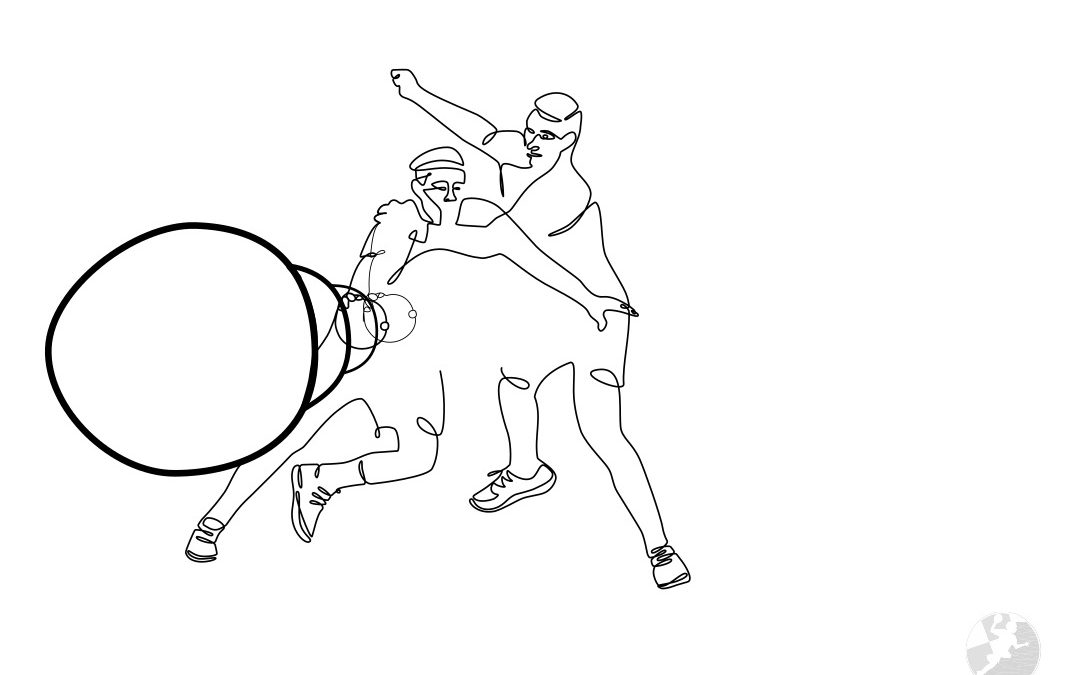
Is backhand the fastest way to pass the ball to the left or right of the attacker moving towards the goal, or an element off limits at a young age because it is essentially pushing the ball? And pushing the ball when passing is a wrong move. I agree 100% with coaches...
by Robert Papić | Mar 29, 2019 | biomechanics of movement
Do players look at their foots while running or playing handball? At the beginning of practice, it’s a good idea to work on different abilities important for playing handball, and the content we create should fulfil the following criteria: Positive emotional...

by Robert Papić | Mar 20, 2019 | 12-13 y/o, biomechanics of movement, te-ta creativity
break through - an old-fashioned technical element going out of style or the basis for creating extra players in a specific part of the court? The answer to this question determines the methods we use to help Branko learn the most common element in handball, in...

